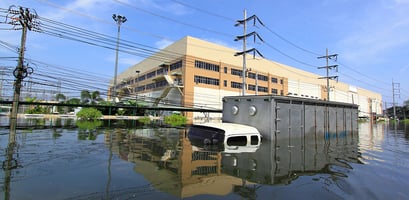

As mortgage lenders and servicers navigate an increasingly complex risk and compliance environment,...
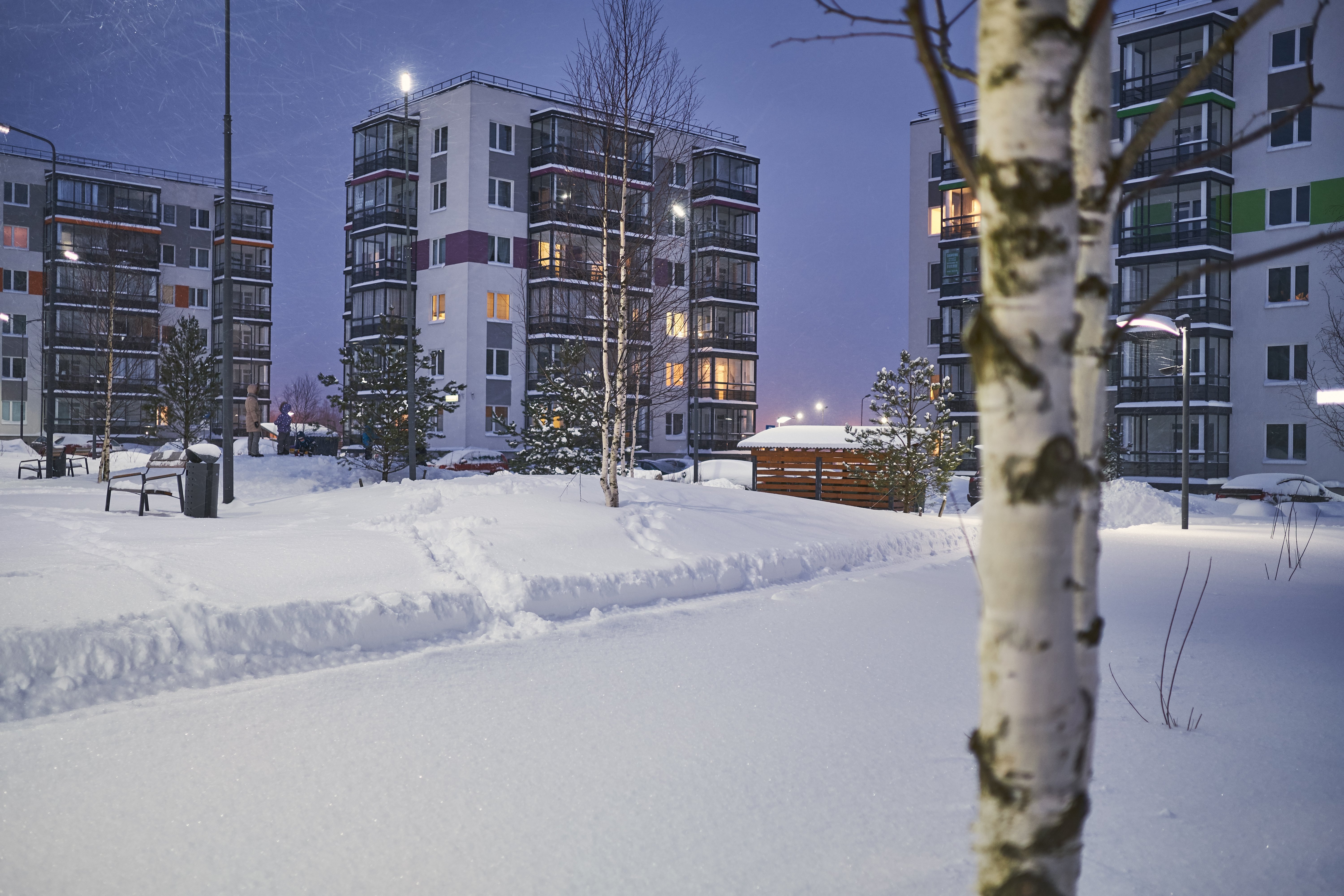 2026 has been one of the most intense winter storm seasons in recent memory. In February alone, a historic nor’easter dropped several feet of snow, breaking local records in the Northeast and leaving behind massive snowpack.
For insurance agents, this sets the stage for a seasonal risk many commercial property owners overlook: snowmelt flooding.
Snowpack accumulation isn’t just frozen water sitting there. It’s a huge potential flood load waiting to be released. When snow melts, several risk factors come into play:
- Runoff overwhelms soil absorption, especially when ground remains partially frozen or saturated.
- Storm drainage systems become clogged or capacity-limited, leading to surface pooling.
- Urban impervious surfaces like parking lots, sidewalks, and rooflines send melt water directly toward foundations and through utility conduits.
Worse yet, when millions of commercial properties along major transportation and economic corridors are blanketed in deep snow, that risk is spread across broader geographic exposure zones, not just the traditional floodplains.
Commercial Properties: High Exposure Points
Commercial property owners often face exposures that aren’t top of mind during winter:
- Ground-floor inventory storage
- Electrical/mechanical equipment near slab level
- Finished basements or storage areas below grade
- Parking garages and service entrances
Just a few inches of water from melt runoff can:
- Destroy inventory and equipment
- Disrupt operations
- Trigger costly cleanup and remediation
- Lead to significant business interruption losses
“But We’re Not in a Flood Zone” Is Not a Safe Bet
Similar to mapped flood zones, many commercial property owners rely on historical designations instead of forward-looking risk. But the reality is:
- Flood maps don’t account for seasonal runoff events or the combined effects of snowmelt plus spring rainfall.
- Properties outside Special Flood Hazard Areas (SFHAs) have and will experience flood losses when meltwater converges with rain and overwhelmed drainage systems.
- Agents who frame snowmelt as a credible seasonal exposure set themselves apart from competitors who focus only on tropical or rainfall flooding.
This is especially relevant after the Northeast’s recent snow events, where massive accumulation will translate into significant water volume entering local systems simultaneously – a scenario that often exceeds design drainage capacity.
Timing Matters: Start the Conversation Now
Spring snowmelt doesn’t come with a hard calendar date, but temperature trends and seasonal rains can accelerate melt unpredictably. By initiating preparedness discussions now, before significant run-off begins, agents can help commercial clients:
- Identify and close coverage gaps
- Evaluate limits in line with current exposures
- Position their risk profile before loss occurs
Agents who proactively address seasonal flood risk position themselves as trusted advisors, not just policy vendors. Snow today doesn’t have to mean flood tomorrow if the right conversations and protections are in place.
Need tools to help with client conversations or to evaluate flood solutions for commercial risks? AFR Insurance Services partners with agents nationwide to provide flexible flood options backed by expertise and market access. Put our expertise in your corner and get appointed today.